
Chengdu Food Guide – Heart of Sichuan Cuisine
Visitor's Food Guide to Chengdu, China
Chengdu, the capital of the Sichuan province, is a must-visit on your next trip to China! Officially designated as a UNESCO “City of Gastronomy”, Chengdu is a food-lovers paradise. The robust culinary history of Chengdu compliments the richness and spice of its role as the home of Sichuan cuisine. And, of course, there are pandas to visit! Enjoy this Chengdu Food Guide!
Planning your trip to Chengdu? Here are my top recommendations of where to eat in Chengdu
during your next visit!
Chengdu is a bustling metropolis, with a population of over 14 million people. Yet, Chengdu still maintains a laid-back atmosphere, especially compared to visiting Beijing or Shanghai. It is also a great launch point for short visits to Leshan or Mount Emei.
Table of Contents
You made it to Chengdu!
Where should you start your Sichuan food adventure?
First, eat. Eat Everything.
Here are my top food recommendations to plan a delicious mouth-watering visit to Chengdu. (Maybe my first tip should actually be to wear elastic-waisted pants!) Sichuan cuisine is known for its complex flavor palette, bringing together a combination of spicy chili peppers, rich garlic, a long history of pickled goods and, of course, the mouth-numbing sensation of the Sichuan peppercorn.
Join a Sichuan Cooking Class!
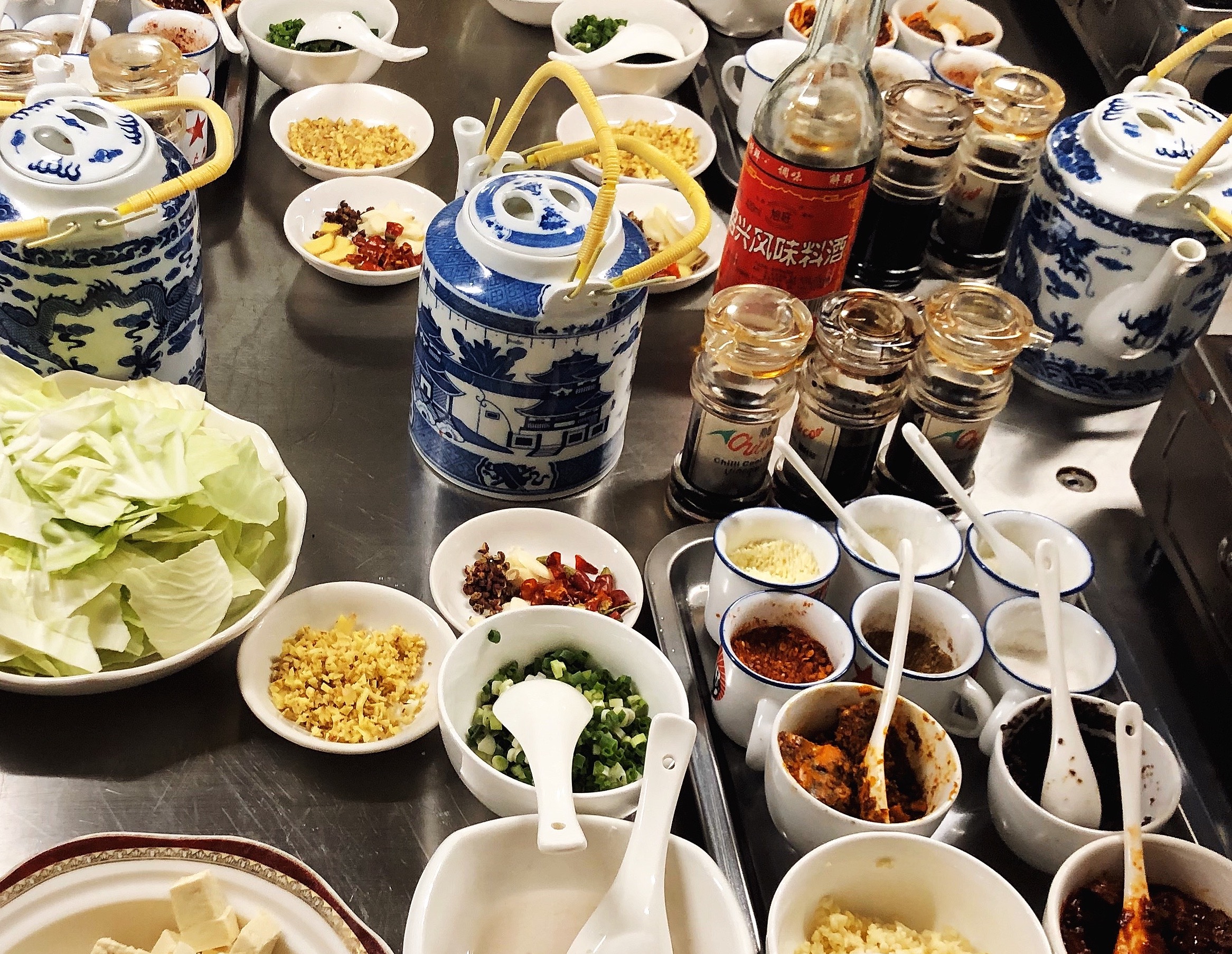
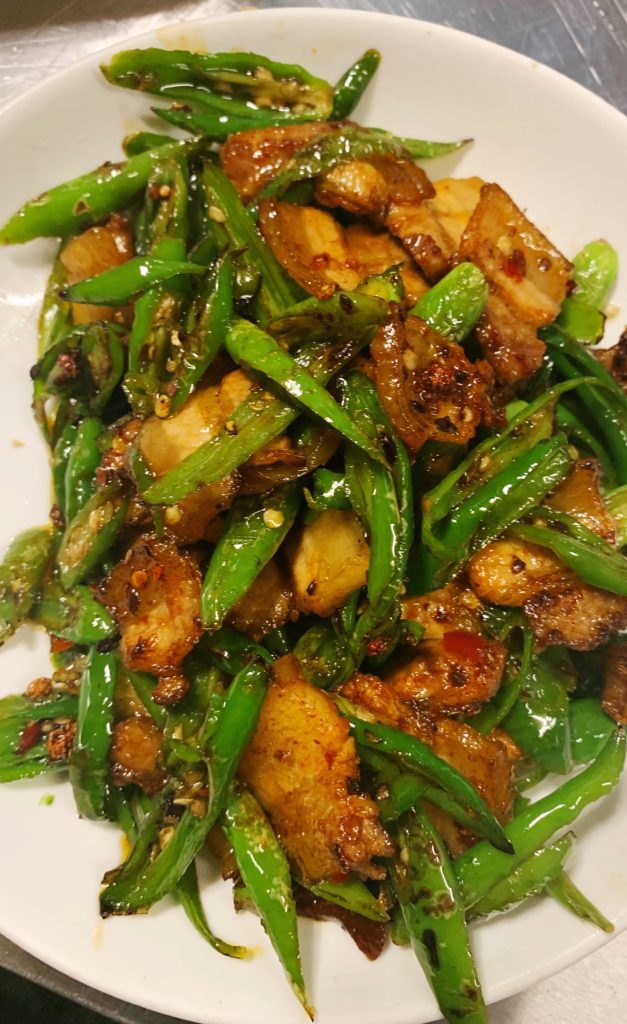
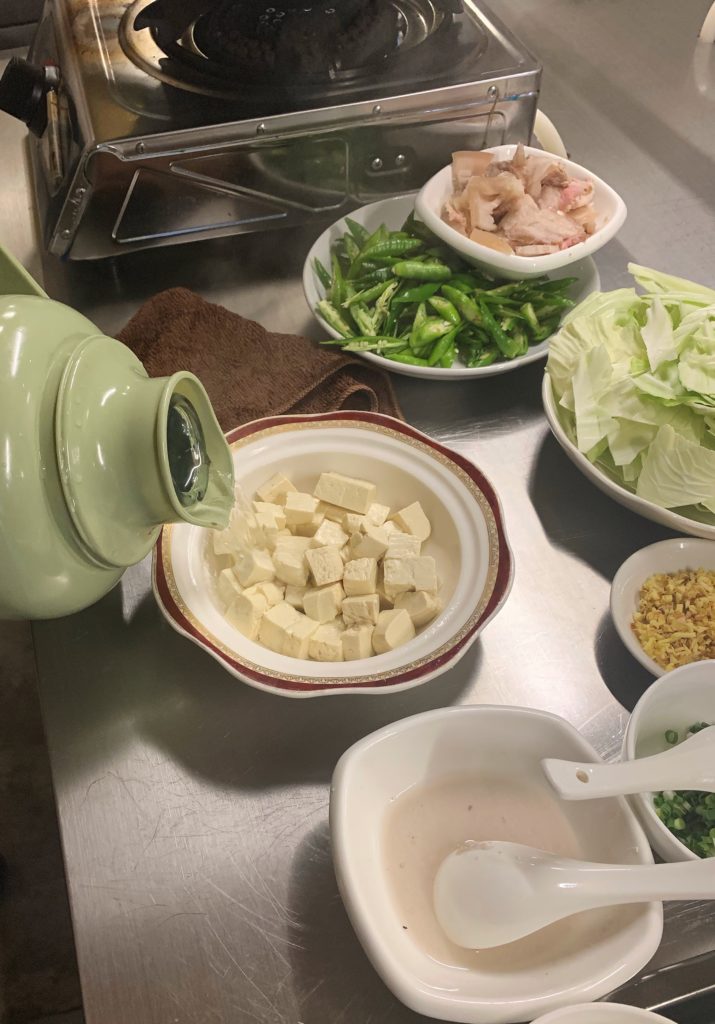
To truly appreciate the flavors of Chengdu, I highly recommend starting off your visit with a food tour and cooking class! Through one of Chilli Cool China’s many courses, you can learn the secrets of making Sichuan stir-fry, dandan noodles or even one of Chengdu’s signature dishes: hot pot! If you’re more excited about eating, Chilli Cool China also offers evening tuk tuk food tours!
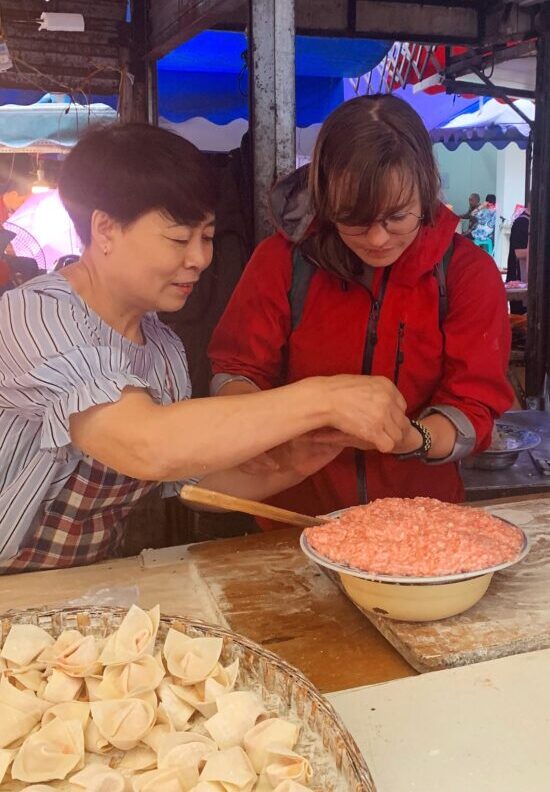
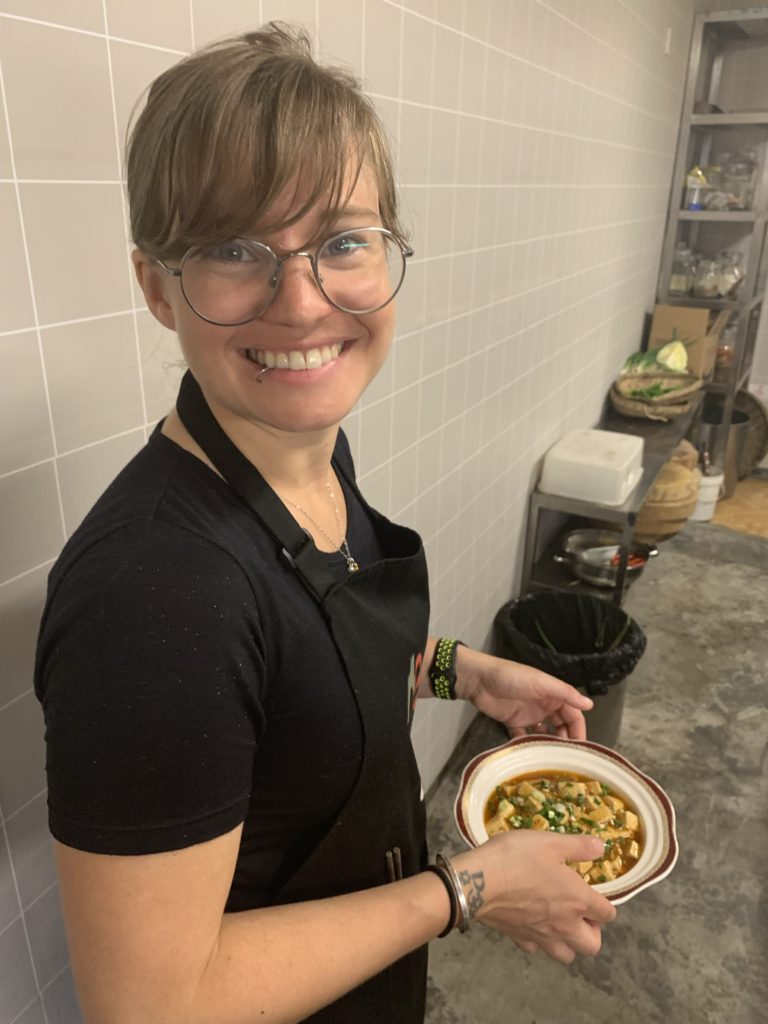
Chilli Cool China’s ½ day cooking class starts with a morning market visit, followed by instruction on how to make 3 delicious Sichuan-style dishes! If you’re staying in central Chengdu, the guide will pick you up right at your hotel, and you’ll head together to buy your ingredients at a local market. Class size is limited, and my tour was only three visitors. This was the perfect size for meeting a couple new folks, but also really being able to connect with and learn from our guide.
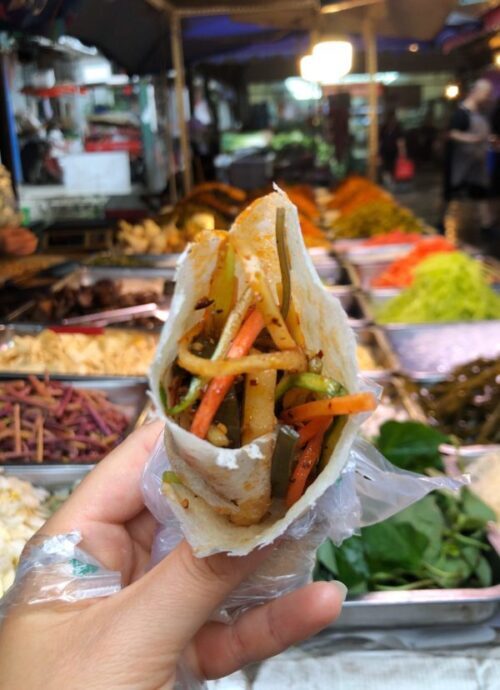
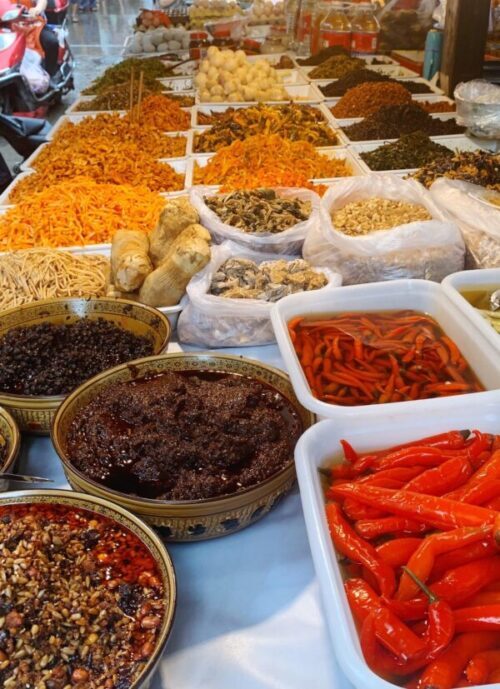
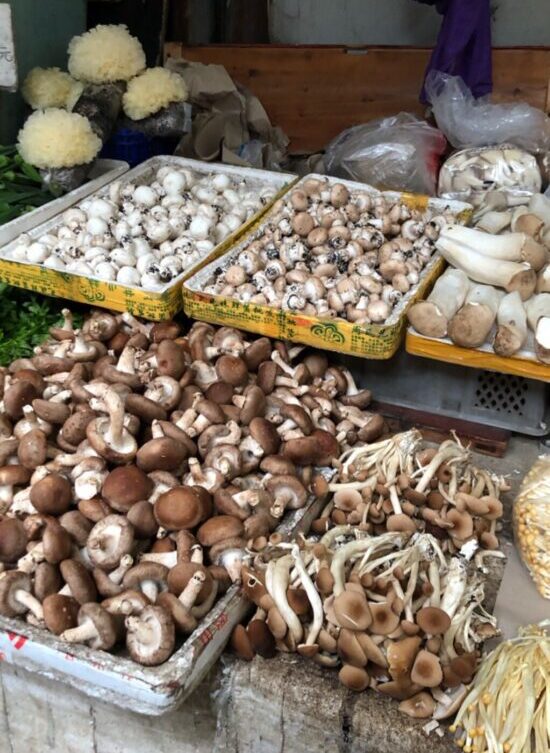
While browsing the market, our guide introduced us to local fruits, vegetables, hot peppers and different varieties of Chengdu’s signature spice: Sichuan pepper!
Today, Chengdu and Sichuan cuisine pack a serious spice level, leaving even the most dedicated spice-lovers with a tingle on their tongue. But, this was not always the case. It wasn’t until about the 17th century that chilis began making their way into becoming a staple of Sichuan cuisine. Hot peppers were introduced to China from South and Central America as trade and global commercial exchange with Europe grew.
To learn more about the history of Chili making its way to Chengdu, watch here:
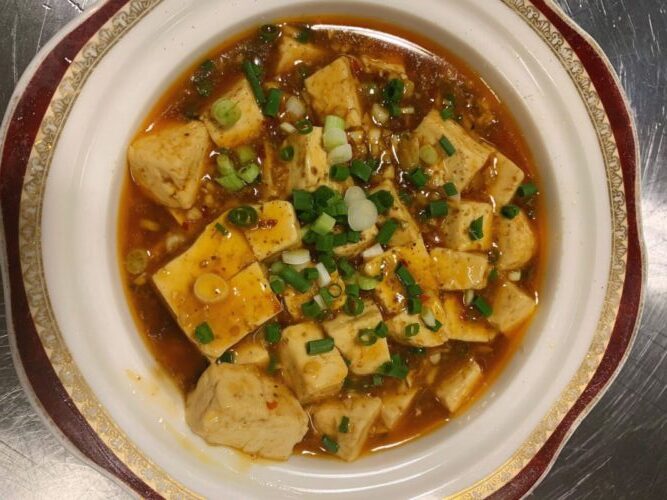
The heat of the chili pepper complements the damp, cold Sichuan winters or heating you up from the inside out. Today, signature Sichuan dishes such as mapo tofu and hot pot pair chili peppers with Sichuan pepper to create the flavor known as málà (麻辣; “numb-spiciness”). Fun fact: The Sichuan pepper (花椒, huājiāo) is not actually related to either chili peppers or black pepper! It comes from the seeds of a trees or shrubs in the Rutaceae family.


Taking a cooking class at the top of your visit allows you to experience the incredible flavors of Chengdu and appreciate the art and history behind Sichuan’s signature dishes. Not to mention, food tour guides always have the best recommendations for other things to see, do and eat nearby!
Weeks, months or years probably wouldn’t be enough time to enjoy all the incredible food in Chengdu! If you’ve only got a few days, here are some great places to start your Sichuan food adventure!
Chengdu Food Guide: The Food Stops You Shouldn’t Miss on Your Visit to Chengdu
Lunch or Dinner al Fresco - Outdoor Eating along Donghuamen Street (东华门街) near Tianfu Square
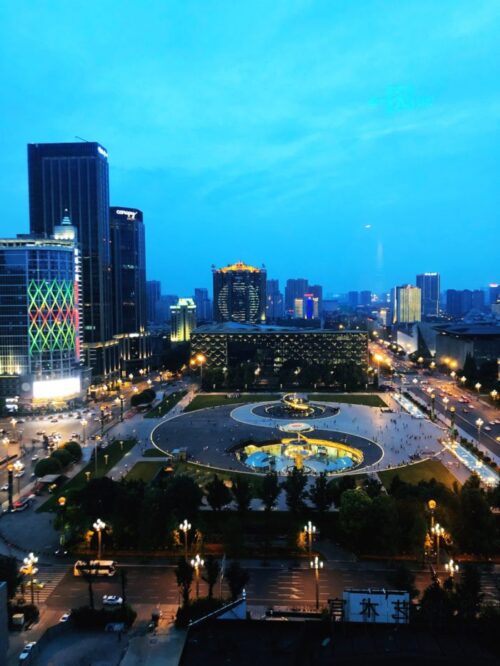
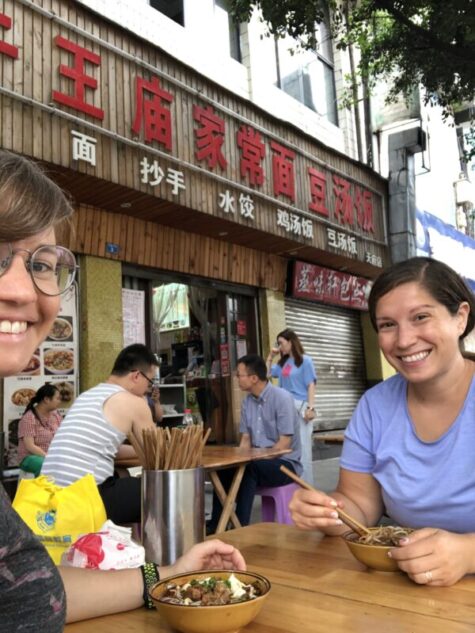
Tianfu Square sits at the center of Chengdu and is home to many of the city’s museums, cultural and shopping centers! Walk just northeast of Tianfu Square along Donghuamen Street (东华门街), and you’ll find a row of local noodle and wonton restaurants that make for a perfect outdoor lunch spot on nice afternoon!
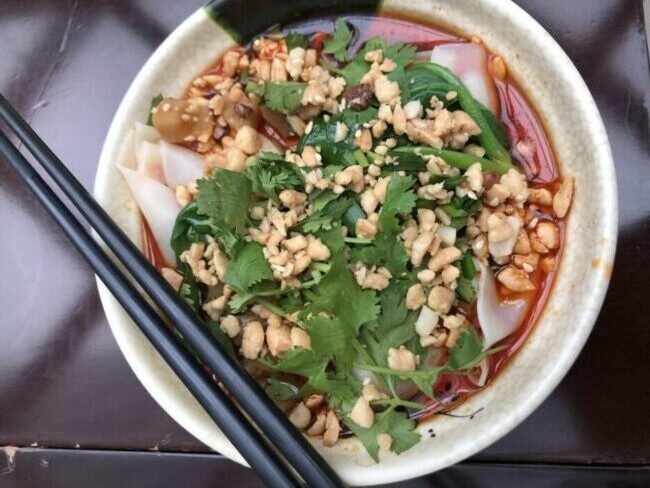
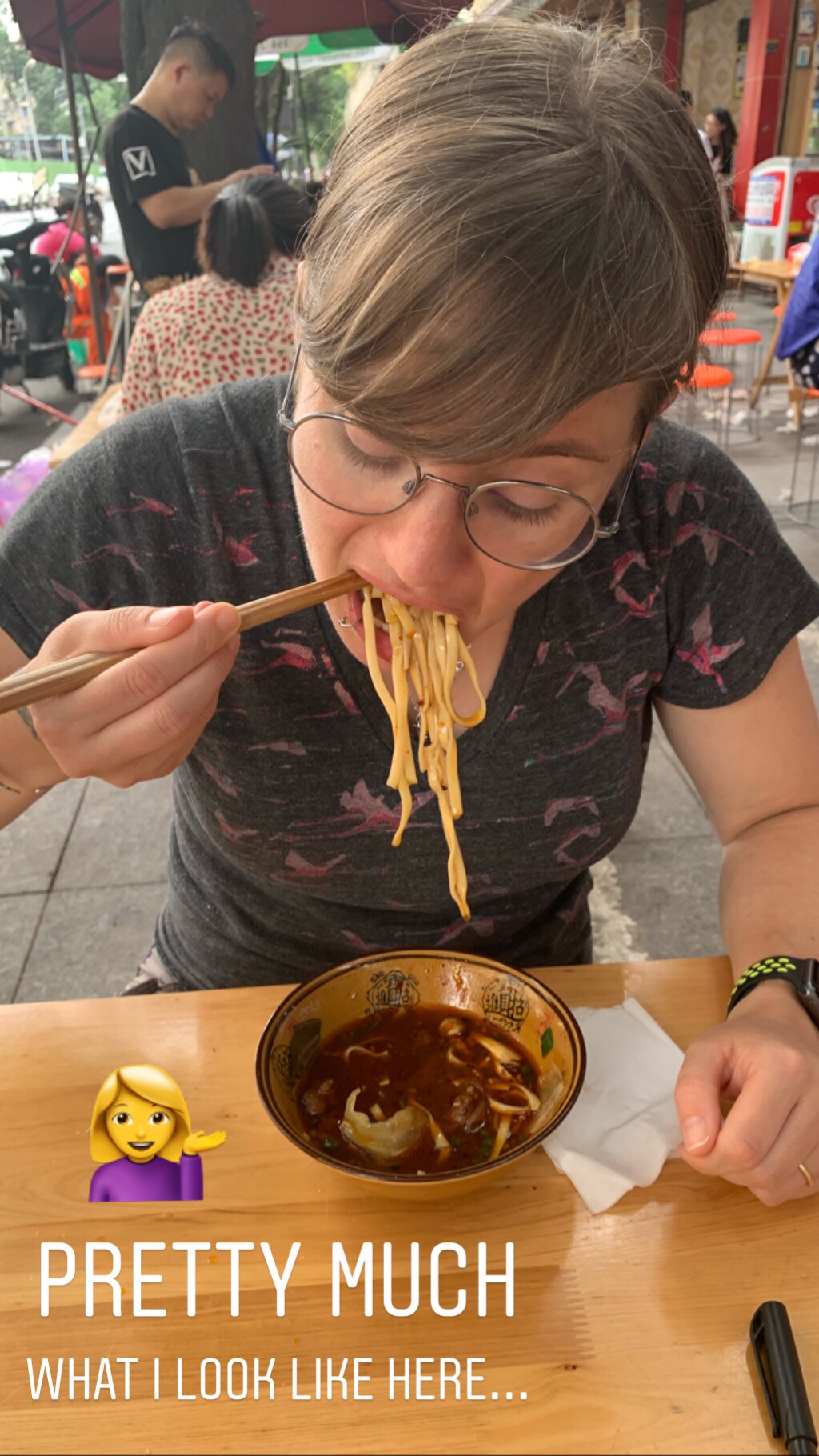
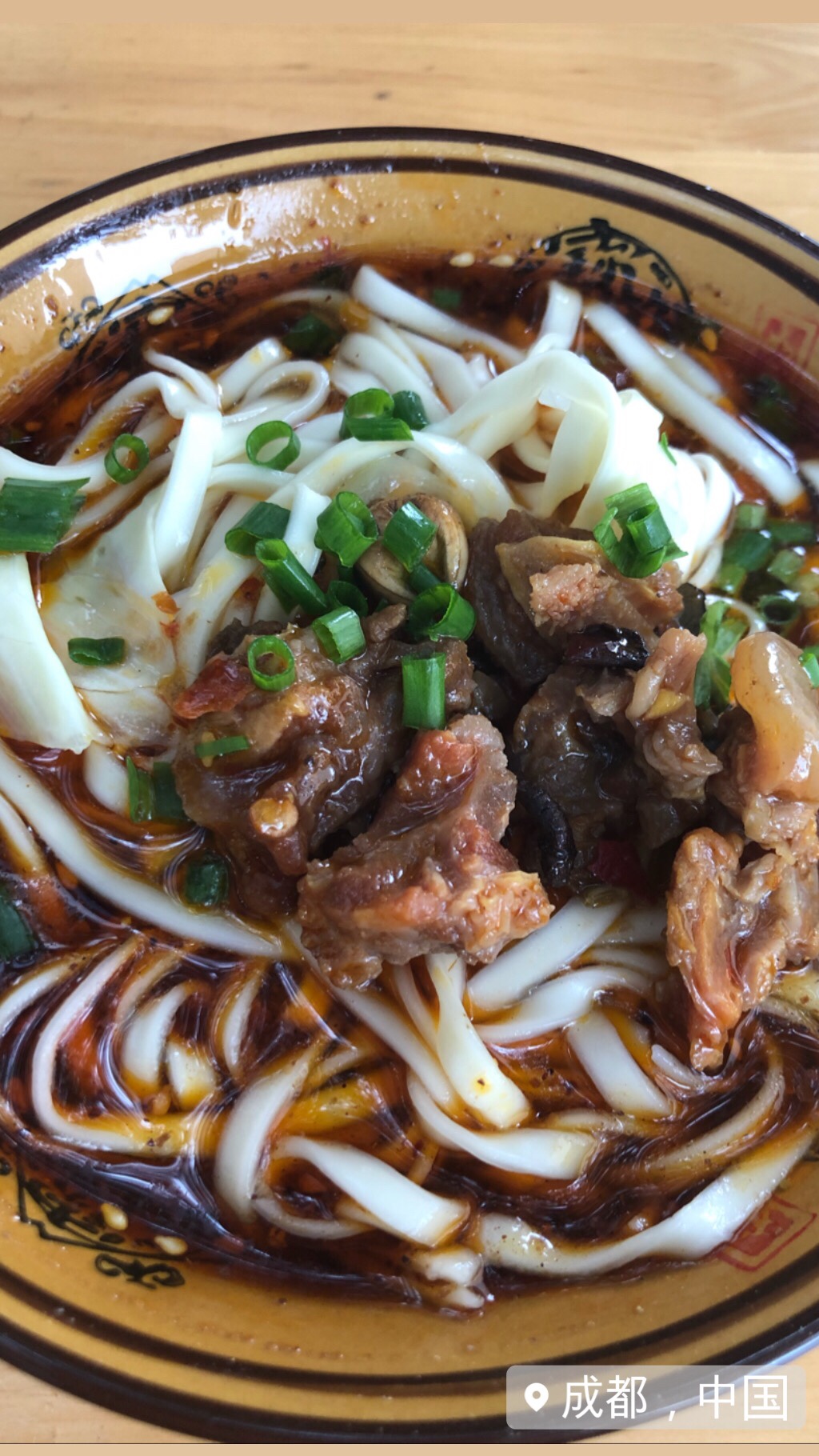
Chengdu is full of noodles and hot chili wontons, but remember, not all noodles are created equal. Is this Chengdu Food Guide making you drool yet? I am!
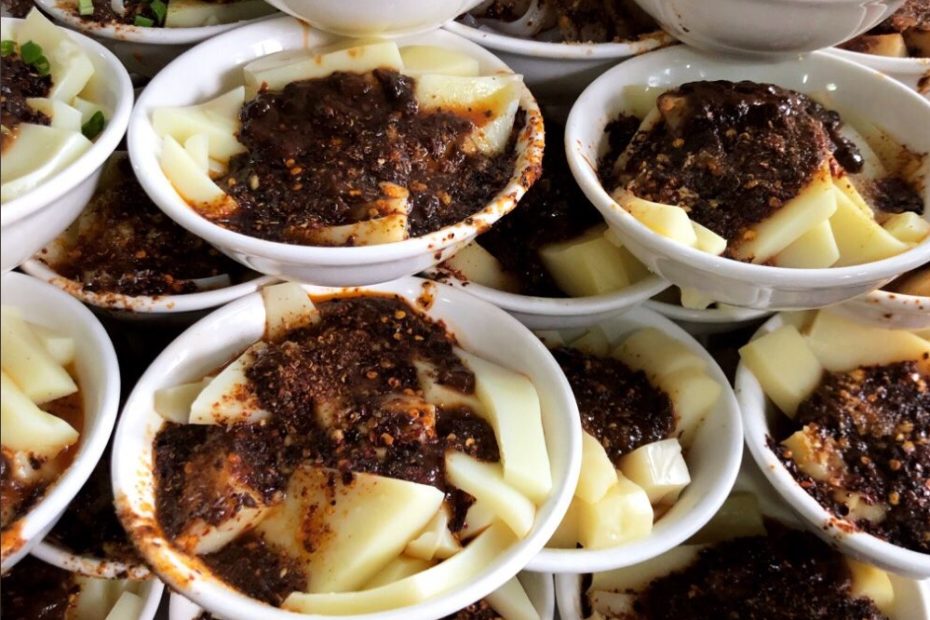
Sweet Water Noodles - Tian Shui Mian (甜水面)
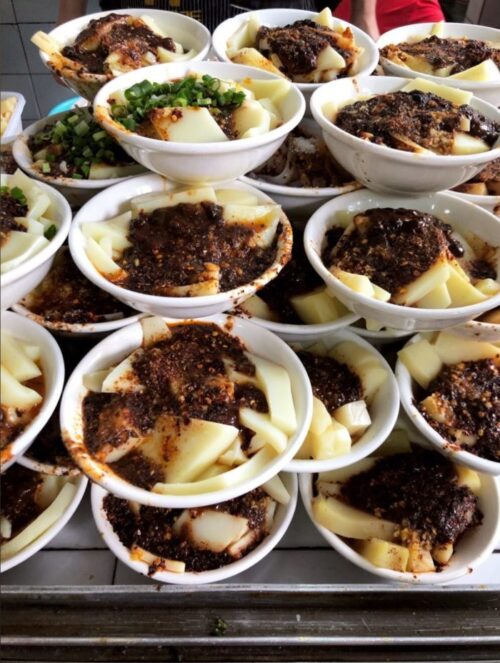
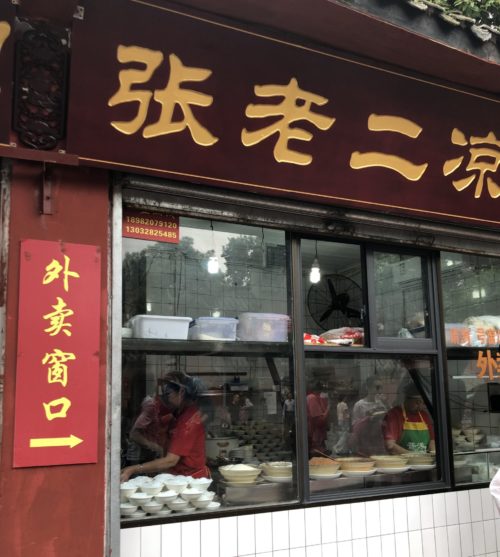
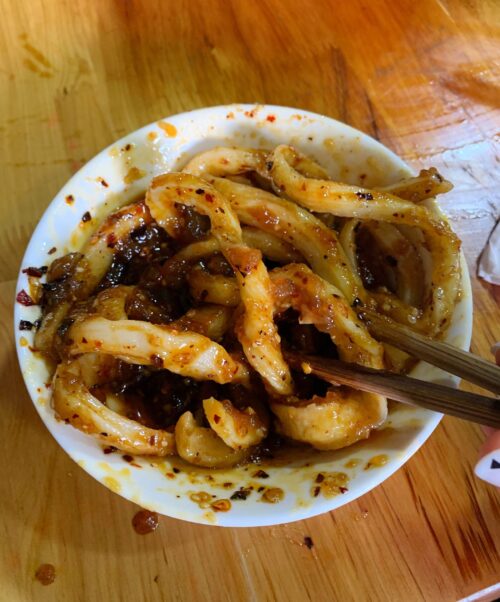
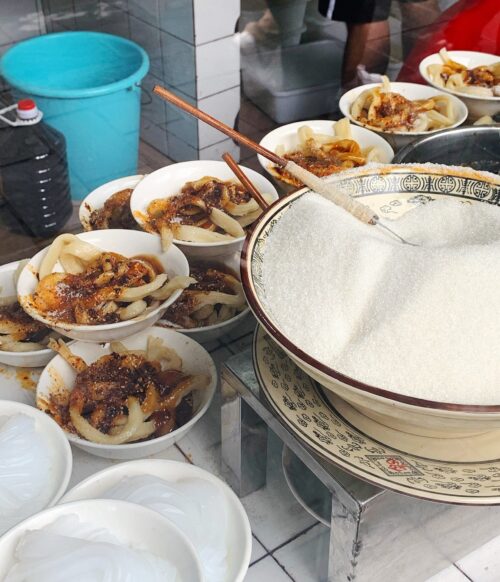
Some of the best noodles I’ve ever had (and I eat A LOT of noodles) were Sweet Water Noodles (tian shui mian 甜水面) from Dongzi Wei Zhang Lao Er Liangfen (洞子囗張老二涼粉), a small noodle spot across from Wenshu temple. Served in small bowls of thick noodles with a delicious sweet sugar sprinkled on top, this was one of my favorite food stops in all of Chengdu (and China!)
A welcome respite for the taste buds, Sweet Water Noodles are not spicy like many of Chengdu’s signature dishes. Instead, they are a cool, sweet snack with a delicious hint of added sesame, bathed in an elixir of chili oil, sweet soy, garlic, and sesame paste.
Address: 39 Wenshuyuan St, Cao Shi Jie, Qingyang, Chengdu (文殊院对面) Directly across from Wenshu temple.
Note that Dongzi Wei Zhang Lao Er Liangfen closes before evening.
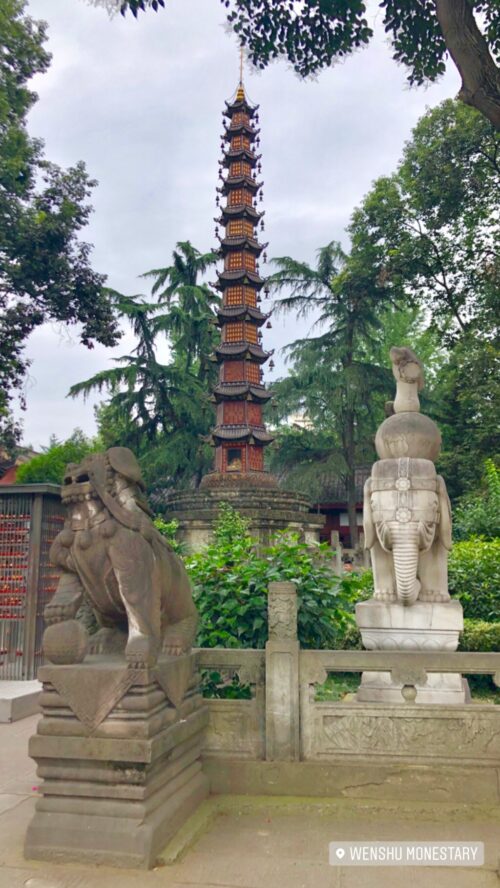
Wenshu Monastery
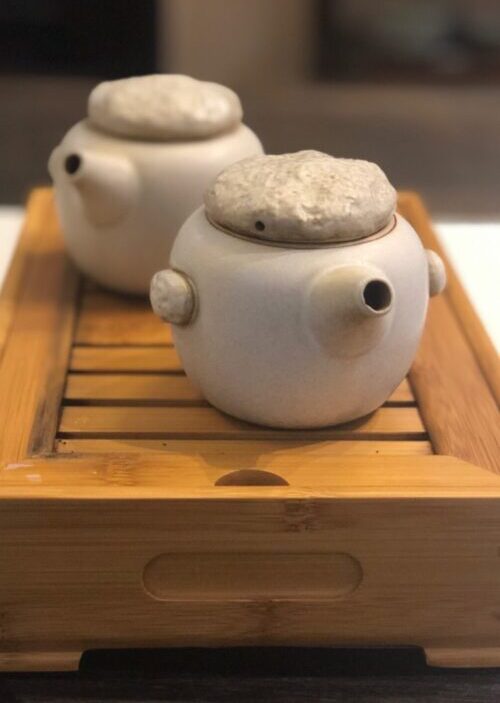
The Wenshu Monastery is a great place to enjoy a relaxing cup of tea in Chengdu.
The Wenshu Monastery is the best preserved Buddhist temple in Chengdu, originally dating back to the Tang Dynasty (618-907). The Monastery grounds have expanded, and now you can visit the temple, dine at the vegetarian restaurant and relax with a tea. Especially if you’ve been walking around and sightseeing, I highly recommend taking time to relax and enjoy.
There is plenty of outdoor seating, but BEFORE you order, make sure you are ordering from the right vendor. Last June I was looking forward to sitting outside in the calm, bamboo filled courtyard, and I did not realize that I had ordered tea from a shop that only allowed indoor seating next to their counter. Ask about seating before finalizing your order. The tea was delicious, but it was expensive for the area and really a let down to not be able to enjoy the outdoor weather.
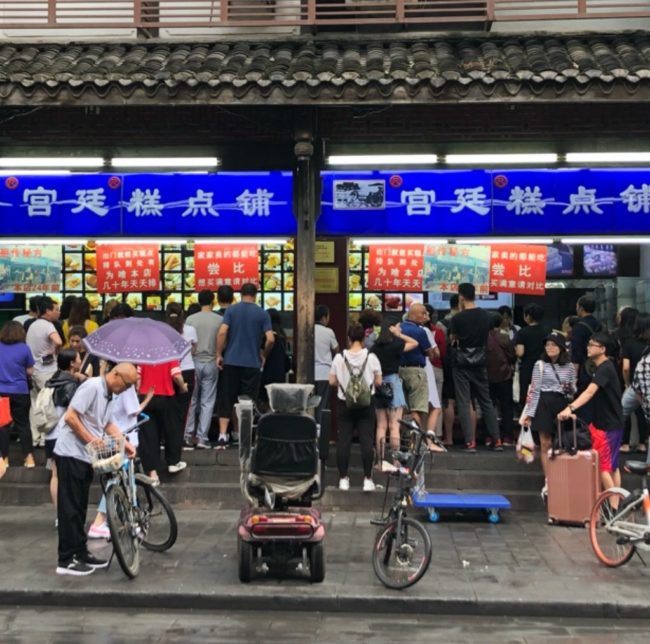
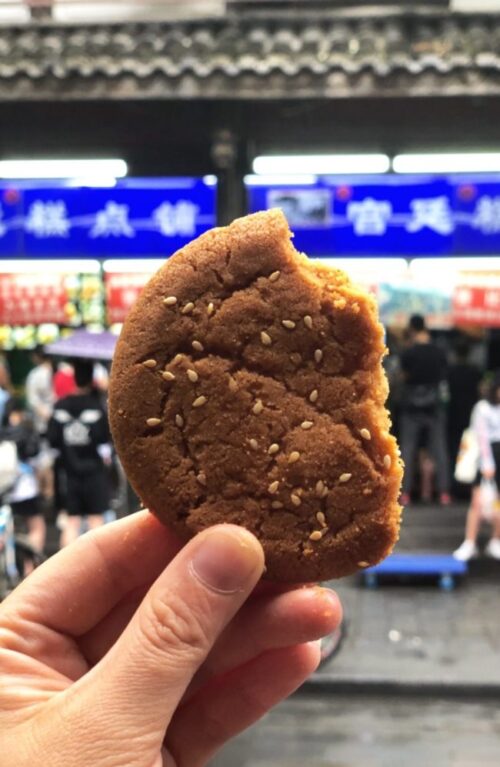
Salt & Sichuan Pepper Cookies (椒盐桃酥) from Gōng Tíng Gāo Diàn Bakery (宫廷糕点)
Before leaving the Wenshu Monastery area, pick up a bag of Salt & Sichuan Pepper Cookies (椒盐桃酥) from Gōng Tíng Gāo Diàn Bakery (宫廷糕点).
Gōng Tíng has been around for over 100 years, and there are 6 locations throughout Chengdu. You will see locals queued up, so push your way into the line. It’s worth the wait!
Salt & Sichuan Pepper Cookies (椒盐桃酥) are thin, crispy cookies with a salty, graham crackery taste with a slight after flavor that is both unique and addictive. A small bag was perfect for two to share with leftovers for a late-night snack later at the hotel or hostel.
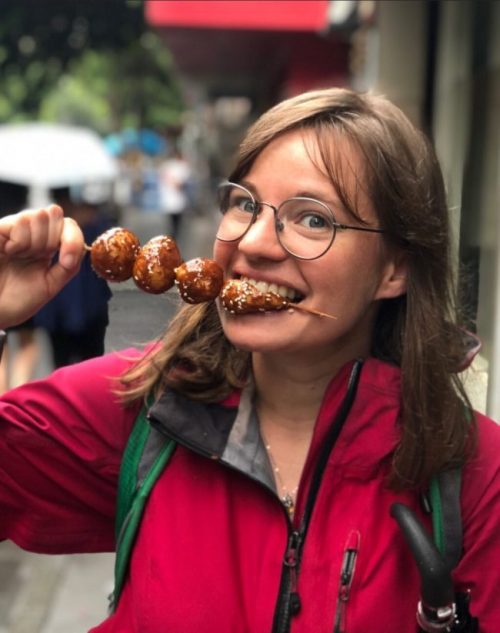
Tangyou Guozi, or Sweet, Sticky Rice Balls (糖油果子)
The list of Chengdu’s best sweets on this does not end there! No Chengdu food guide would be complete with out the classic street snack: Tangyou guozi, (sweet, sticky rice balls).
Tangyou guozi, or sweet, sticky rice balls (糖油果子) are fried glutinous rice balls coated in caramelized sugar and topped with sesame. How can you resist? You’ll find Tangyou guozi sold around the city, especially in areas with tourist attractions and busy public sights. My mouth is watering just thinking about biting into the crispy sweet coating that surrounds a soft, fluffy inside. My only caution is that if the oil being used to fry the rice balls is old, there will be a funky after taste. If the vendor looks pretty busy, you should be fine.